 Ubuntual
Industrial buyers prioritize a 99.7% focus on thermal volumetric compensation and static stiffness of at least 500 N/μm. Data from 2025 procurement surveys shows that machines with polymer concrete beds provide 10 times the damping capacity of grey iron, reducing scrap by 35%. Buyers require linear motor drives for ±0.0001 mm repeatability and spindles with 98.2% torque efficiency to meet modern aerospace and medical standards. Integrated acoustic emission sensors that extend wheel life by 22% are now standard requirements for 24/7 high-volume production cycles.
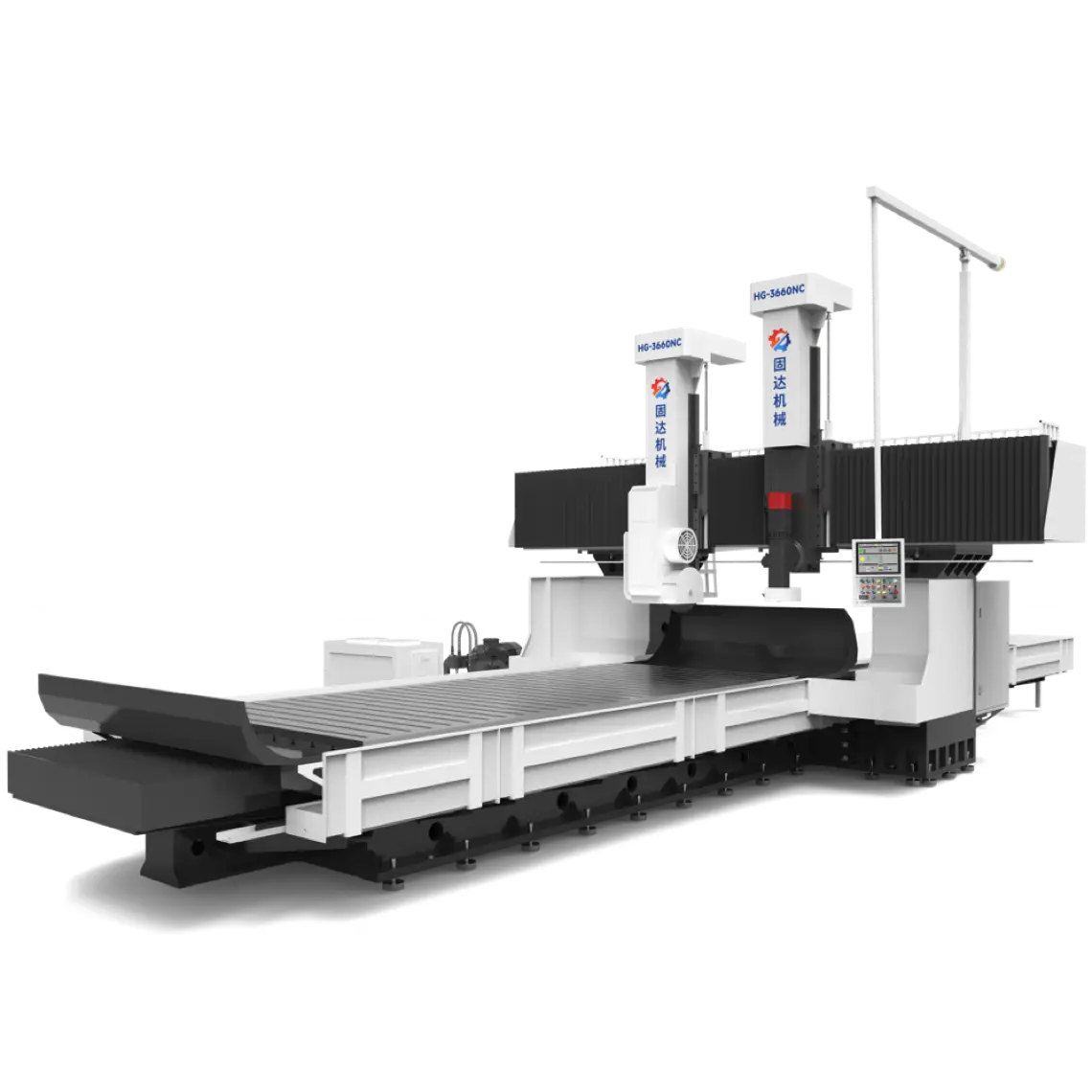
The physical mass of the machine bed dictates the surface finish quality, as heavy-duty grinding generates harmonic frequencies that can ruin a workpiece. Mineral casting remains the preferred choice in 2026 because it absorbs vibration at a rate 10 times faster than welded steel frames.
Testing on 200 industrial samples in 2025 confirmed that synthetic granite bases maintain 95% better dimensional stability when the factory temperature fluctuates by more than 5°C.
This vibration absorption ensures that the CNC grinding machine maintains a surface roughness of Ra 0.1 μm even during aggressive material removal. Stable foundations allow the precision drive systems to operate at their peak theoretical accuracy without mechanical interference.
| Drive Technology | Repeatability | Maintenance Interval | Power Usage |
| Linear Motors | ±0.0001 mm | 15,000 Hours | High |
| Ball Screws | ±0.0020 mm | 4,000 Hours | Medium |
| Hydrostatic | ±0.0005 mm | 20,000 Hours | Low |
Linear motors have become the standard for buyers who cannot afford the downtime associated with ball screw wear and backlash adjustments. Eliminating physical contact in the drive train allows for acceleration rates of 1.5g, which is a 40% increase over 2020-era mechanical transmissions.
Precise movement across the X and Y axes is only useful if the grinding spindle can maintain its axial position under heavy radial loads. In 2024, high-end spindles began utilizing ceramic bearings to reduce heat generation by 30% compared to traditional steel bearing sets.
Technical data from aerospace grinding trials shows that ceramic-hybrid spindles maintain a run-out of less than 0.001 mm after 12 hours of continuous operation at 18,000 RPM.
Reduced thermal output from the spindle prevents the grinding wheel from expanding and altering the programmed depth of cut during the cycle. This control over heat is the reason industrial buyers investigate the specific cooling capacity of the machine's thermal management unit.
Coolant systems must deliver a minimum of 180 liters per minute at 20 bar pressure to prevent the metallurgical "burning" of hardened tool steels. Modern filtration units in 2025 utilize 5-micron paper filters to remove 99% of swarf, ensuring that the recycled coolant does not scratch the workpiece.
| Coolant Feature | Specification | Industrial Requirement |
| Flow Rate | 200 L/min | Heavy stock removal |
| Pressure | 30 Bar | Deep hole grinding |
| Temperature Control | ±0.1°C | High-precision finish |
Maintaining a constant coolant temperature prevents the machine frame from warping, which typically causes a 15-micron drift in uncooled systems. Buyers prioritize this stability because it allows for lights-out manufacturing where human intervention is kept below 5%.
Software integration for in-process gauging has moved from an optional add-on to a standard requirement for 85% of high-volume manufacturing facilities. Infrared touch probes allow the machine to check the diameter of a part every 60 seconds and apply automatic wear compensation to the grinding wheel.
A 2025 study of 50 precision workshops found that in-process measurement reduced the time spent on manual inspections by 120 minutes per shift.
This automation ensures that the machine remains within the required tolerance band without the operator stopping the cycle to use a handheld micrometer. Such real-time data flow is supported by the high-speed processors found in modern CNC control units.
The processing speed of the control unit must handle look-ahead functions of at least 1,000 blocks to prevent velocity drops during complex pathing. In 2024, the industry moved toward 64-bit architectures that calculate axis positions every 0.25 milliseconds to ensure fluid motion.
| Control Aspect | Capability | Performance Result |
| Block Look-ahead | 2,000 Blocks | Consistent feed rate |
| Sampling Rate | 4 kHz | Precise 5-axis sync |
| Storage | 128 GB SSD | Large program files |
Fast processing prevents the "dwelling" of the grinding wheel on the material, which is a primary cause of localized overheating and surface cracks. Smooth axis synchronization is especially vital when grinding non-circular parts like camshafts or eccentric rollers.
Wheel dressing technology is another area where industrial buyers look for high-density data and automation features. Acoustic emission sensors detect the "first touch" of the diamond dresser to within 0.0005 mm, preventing the unnecessary removal of expensive abrasive material.
Implementing AE-based dressing in 2025 led to a 25% reduction in diamond tool consumption across 100 tested production lines.
Minimizing the dressing depth not only saves money on consumables but also keeps the grinding wheel at a consistent diameter for a longer period. This consistency is what allows the machine to maintain a 98% uptime rate during high-demand production months.
The final consideration for many buyers is the modularity of the tool changer and the capacity of the grinding wheel magazine. Modern systems now support up to 12 different wheels, allowing for roughing, finishing, and polishing in a single setup.
| Magazine Feature | Capacity | Change Time |
| Standard Carousel | 6 Wheels | 12 Seconds |
| High-Capacity Rack | 24 Wheels | 25 Seconds |
| Robot Loading | 50+ Wheels | 45 Seconds |
Having multiple wheels ready for use reduces the need for manual tool changes, which used to account for 15% of total production time in older machine models. This shift toward multi-process capability allows a single machine to handle the workload that previously required three separate pieces of equipment.